


From drinking water and food to semiconductor manufacturing, PFAS have become one of the most closely watched groups of chemicals worldwide. As regulations continue to tighten, laboratories face growing demands for more accurate and reliable analytical methods. Today, achieving high-quality PFAS analysis depends not only on advanced analytical instruments but also on the purity and consistency of the chemicals used throughout the testing process.
A Class of Chemicals Once Considered Revolutionary
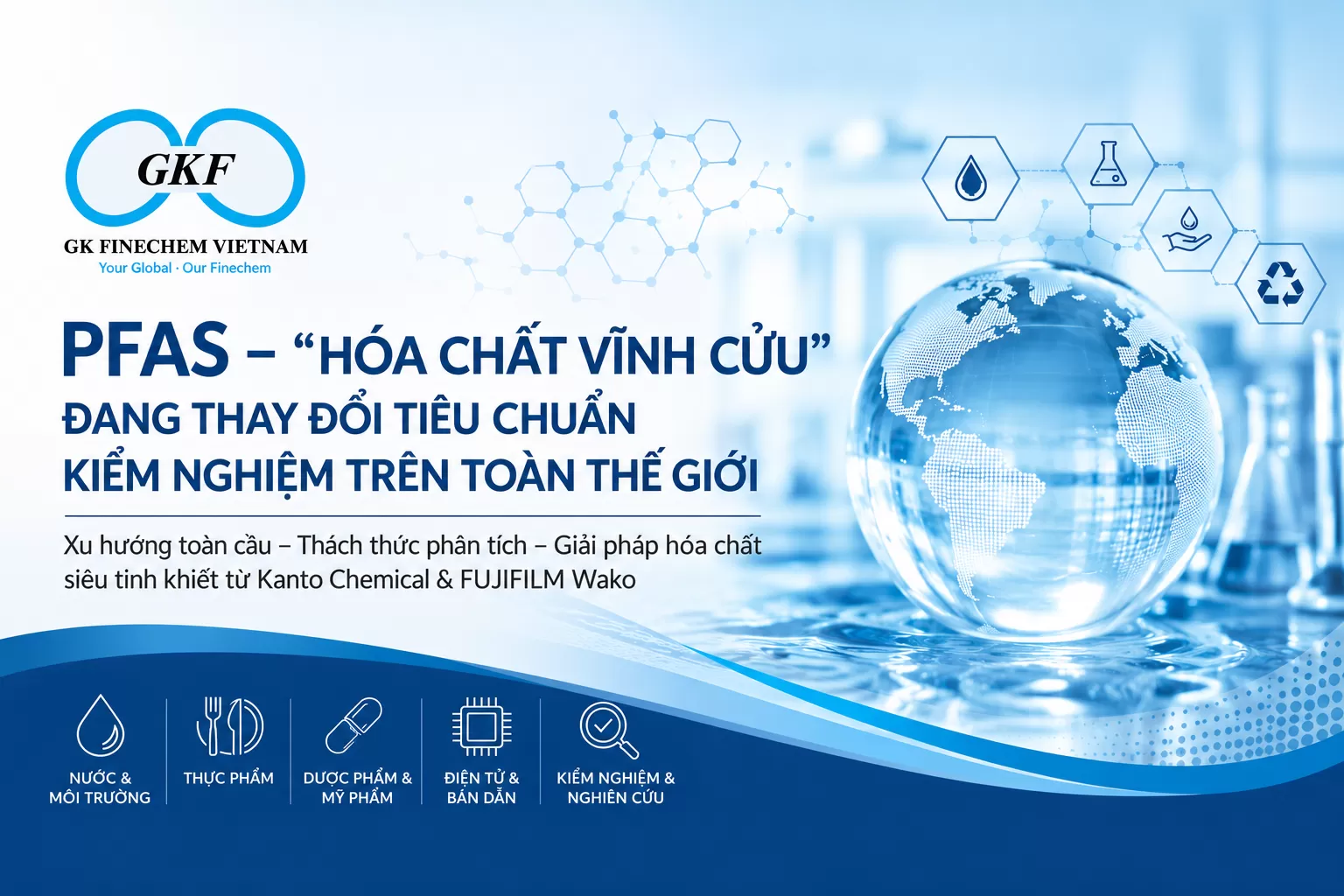
For more than 80 years, PFAS (Per- and Polyfluoroalkyl Substances) have played a vital role in countless industrial and consumer applications. Their exceptional resistance to water, oil, heat, and aggressive chemicals has made them indispensable across a wide range of industries.
Today, PFAS can be found in products such as:
- Non-stick cookware
- Food packaging materials
- Water-repellent textiles
- Cosmetics and personal care products
- Firefighting foams
- Medical devices
- Electronic components
- Semiconductor materials
- Lithium batteries
- Aerospace applications
More than 10,000 PFAS compounds have been identified to date. For decades, they were regarded as a major breakthrough in materials science.
However, continued scientific research has revealed another side of these remarkable chemicals.
Why Are PFAS Called "Forever Chemicals"?
The unique properties of PFAS originate from the carbon-fluorine (C–F) bond, one of the strongest chemical bonds found in organic chemistry.
This exceptional bond strength provides excellent chemical stability, heat resistance, and water- and oil-repellent properties. Unfortunately, it also makes PFAS extremely resistant to natural degradation.
Once released into the environment, many PFAS compounds can persist in soil, groundwater, surface water, and living organisms for decades. Because they degrade so slowly, PFAS have earned the nickname "Forever Chemicals."
Today, PFAS have been detected in:
- Groundwater
- Drinking water
- Soil
- Sediment
- Seafood
- Food packaging
- Human blood
- Wildlife
As awareness of their environmental persistence and potential health impacts has grown, governments around the world have introduced increasingly stringent regulations governing PFAS monitoring and analysis.
PFAS Is Changing Laboratory Testing Standards
Only a few years ago, PFAS analysis was largely confined to specialized environmental research laboratories.
Today, it has become an essential testing requirement across numerous industries, including:
- Environmental monitoring
- Drinking water quality
- Wastewater analysis
- Food safety
- Cosmetics
- Pharmaceuticals
- Electronics
- Semiconductor manufacturing
International analytical methods such as EPA Method 533, EPA Method 537.1, and EPA Method 1633 have established highly sensitive procedures capable of detecting PFAS at extremely low concentrations.
As a result, laboratories must not only invest in advanced analytical instrumentation but also ensure that every step of sample preparation minimizes the risk of contamination.
The Greatest Challenge Is Not the Instrument
Many people assume that owning a modern LC-MS/MS system is sufficient for accurate PFAS analysis.
In reality, instrument performance is only one part of the equation.
PFAS are often measured at concentrations in the parts-per-trillion (ppt) range—or even lower.
To put this into perspective, one part per trillion is roughly equivalent to a single drop of water in about twenty Olympic-sized swimming pools.
At such ultra-trace levels, even the smallest source of contamination can significantly affect analytical results.
Potential contamination sources include:
- Organic solvents
- Purified water
- Laboratory reagents
- Sample containers
- Syringe filters
- Laboratory gloves
- Plastic laboratory consumables
Even trace amounts of PFAS introduced during sample preparation may increase background signals, produce false positives, or compromise analytical accuracy.
For this reason, chemical purity has become one of the most critical factors in reliable PFAS analysis.
Why Are LC/MS Grade Chemicals So Important?
Chemicals used for LC-MS/MS analysis must provide more than simply high purity.
They must also be manufactured under strict quality control to minimize impurities that could interfere with mass spectrometric detection.
For PFAS analysis, laboratories typically select high-purity reagents such as:
- LC/MS Grade Methanol
- LC/MS Grade Acetonitrile
- Water for LC/MS
- Formic Acid
- Ammonium Acetate
- Ammonium Formate
Using premium-grade analytical chemicals offers several important advantages:
- Minimizes background contamination
- Improves LC-MS/MS sensitivity
- Enhances analytical reproducibility
- Increases confidence in test results
- Reduces the need for costly repeat analyses
These benefits are especially valuable for laboratories operating under international quality standards or serving customers with strict regulatory requirements.
Kanto Chemical – Ultra-High-Purity Solutions for PFAS Analysis
With more than 80 years of experience in manufacturing analytical reagents, Kanto Chemical is recognized as one of Japan's leading suppliers of high-purity laboratory chemicals.
Kanto's solvents and reagents are trusted by research institutes, testing laboratories, universities, and manufacturers worldwide for their exceptional quality and batch-to-batch consistency.
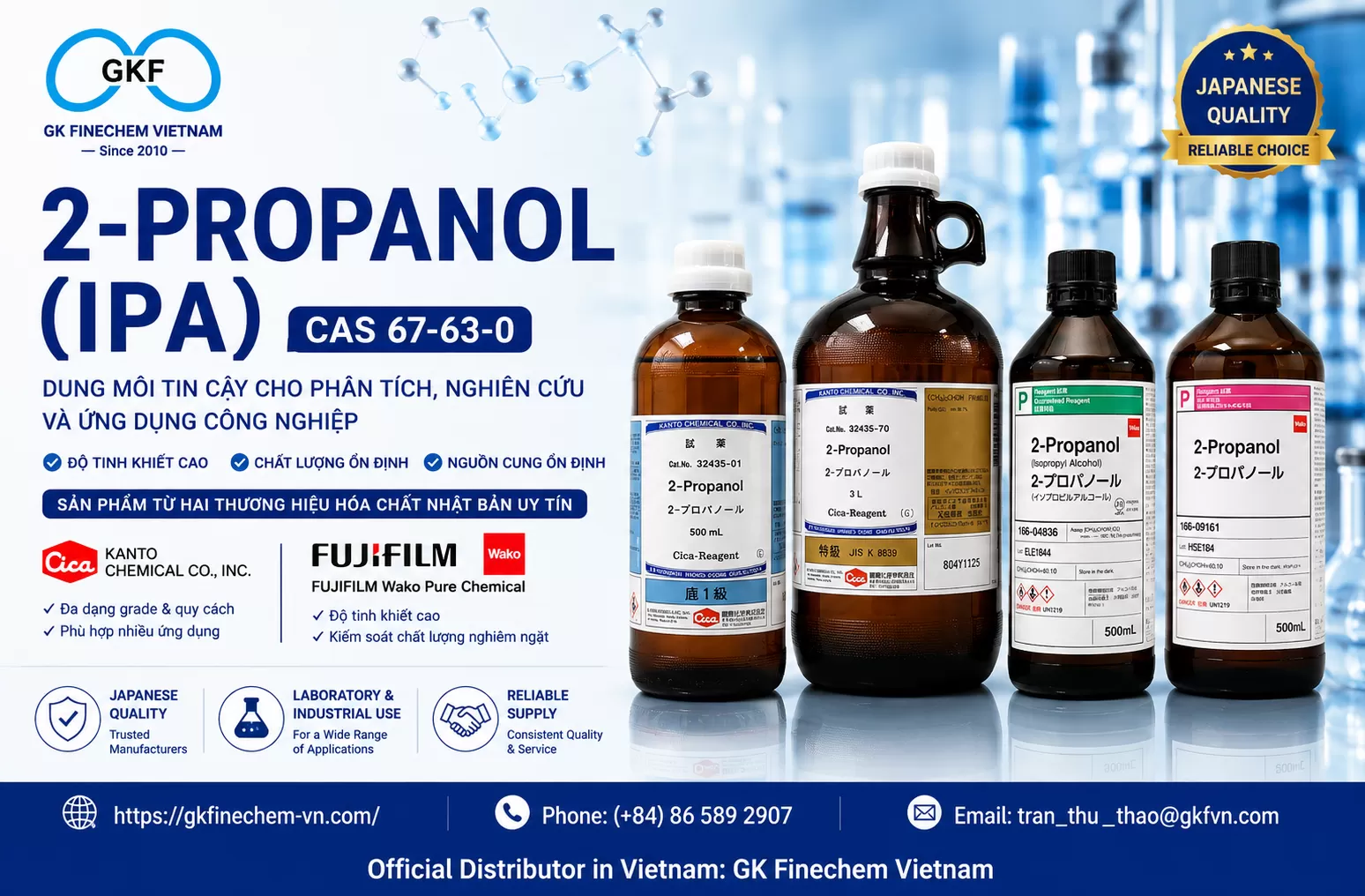
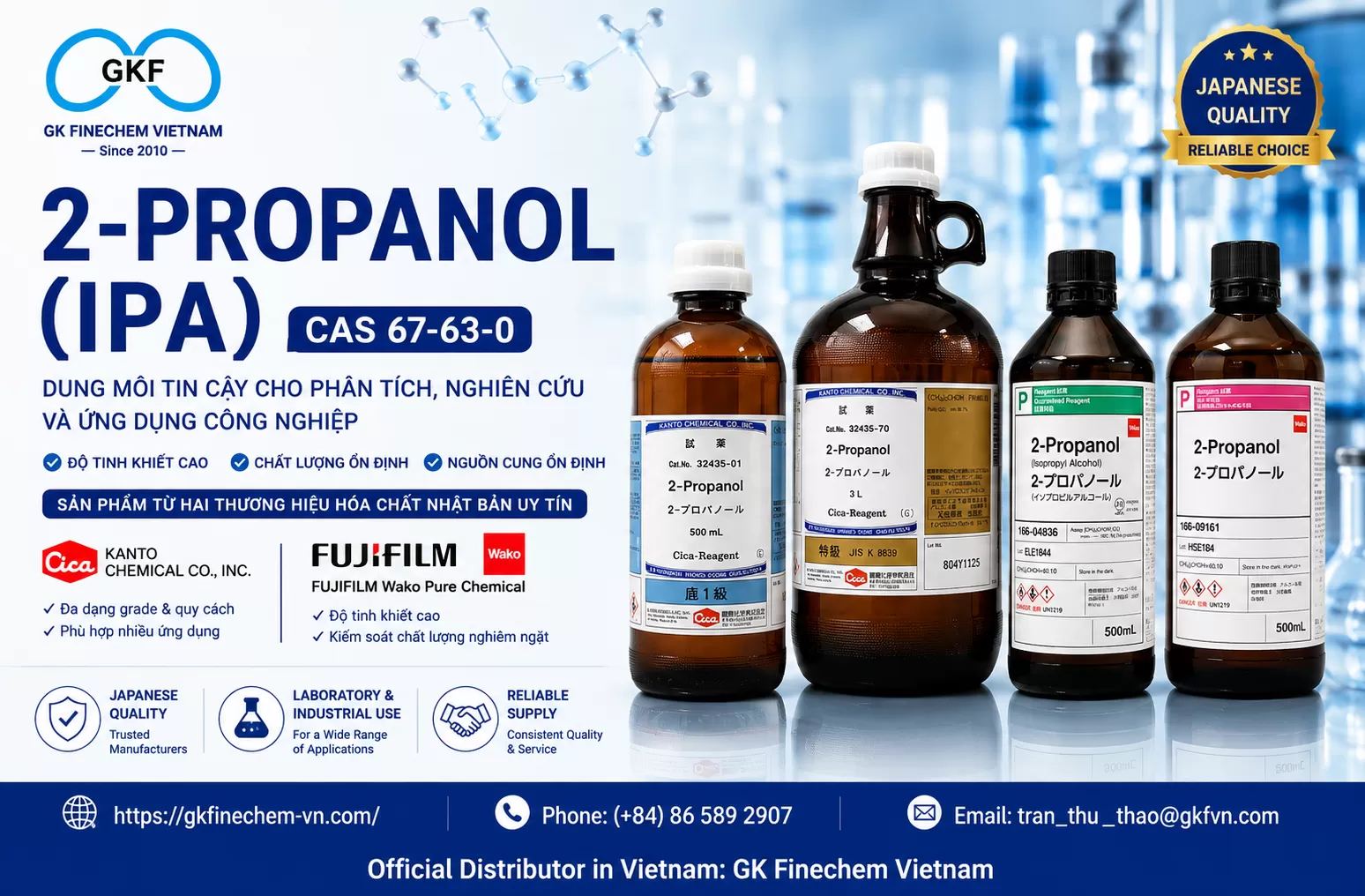
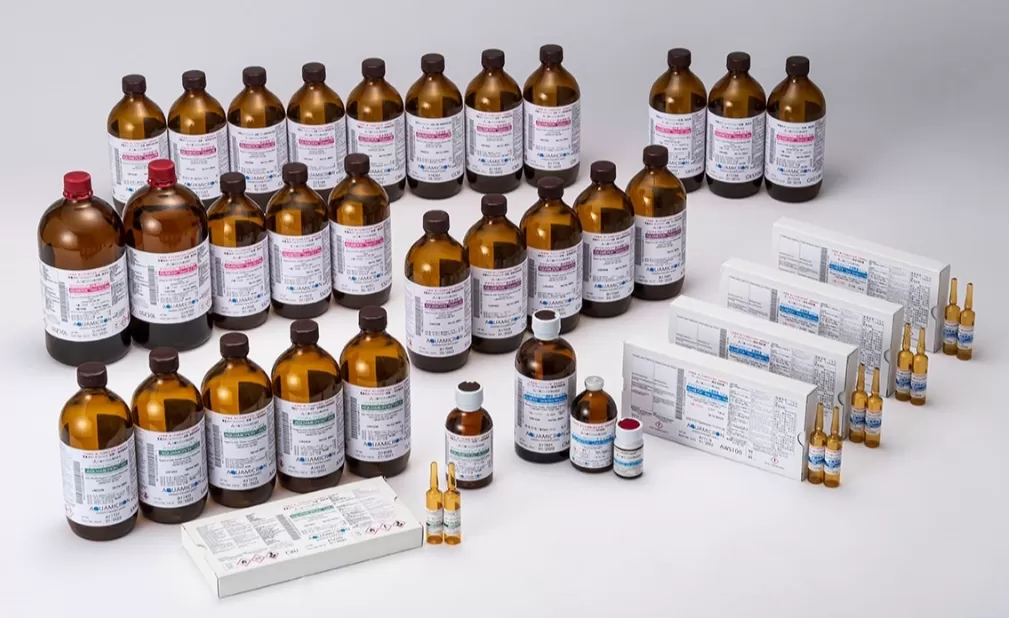
For PFAS analysis, Kanto offers a range of high-purity products, including:
- LC/MS Grade Methanol
- LC/MS Grade Acetonitrile
- Water for LC/MS
- Formic Acid
- Ammonium Formate
- Ammonium Acetate
Manufactured under stringent quality control, these products help minimize background contamination while delivering the sensitivity and reproducibility required for ultra-trace PFAS analysis.
Whether performing routine environmental monitoring or advanced analytical research, Kanto's high-purity chemicals provide laboratories with confidence in every result.
FUJIFILM Wako – Comprehensive Solutions for PFAS Testing
In addition to Kanto Chemical, FUJIFILM Wako Pure Chemical Corporation is another globally recognized Japanese manufacturer specializing in analytical reagents and life science products.
For PFAS analysis, Wako offers a comprehensive portfolio that extends beyond LC/MS-grade solvents, including:
- Analytical Standards
- Isotope-Labeled Standards
- Ultra-high-purity solvents
- Sample preparation reagents
- Research and development chemicals
This broad product range enables laboratories to establish reliable and standardized PFAS analytical workflows while supporting compliance with internationally recognized testing methods.
By combining high-quality reagents with rigorous quality assurance, Wako helps laboratories improve analytical accuracy, reduce contamination risks, and maintain confidence in trace-level PFAS determination.
GK Finechem Vietnam – Your Trusted Partner for PFAS Analysis
As the official distributor of Kanto Chemical and FUJIFILM Wako Pure Chemical Corporation in Vietnam, GK Finechem Vietnam provides high-quality analytical chemicals and technical support for laboratories across a wide range of industries.
Our customers include:
- Environmental monitoring laboratories
- Research institutes
- Universities
- Quality control laboratories
- Food manufacturers
- Pharmaceutical companies
- Electronics manufacturers
- Semiconductor manufacturers
Beyond supplying genuine products, GK Finechem Vietnam works closely with customers to recommend suitable chemicals for specific analytical methods, while providing Certificates of Analysis (COA), Safety Data Sheets (SDS), and technical consultation to support laboratory operations.
For more information about PFAS analytical chemicals, LC/MS Grade solvents, or other high-purity laboratory reagents from Kanto Chemical and FUJIFILM Wako, please contact GK Finechem Vietnam.